
Amazon’s FNSKU Labelling Requirement: What Sellers Need to Know
What This Means for Resellers What Happens If You Don’t Comply What About Existing Inventory Preparing for the Transition FNSKU Labelling options and pricing
From 31 March 2026, Amazon is introducing a major operational change that will significantly impact how resellers manage Fulfilment by Amazon (FBA) inventory. While at first glance this may appear to be a simple labelling update, it actually signals a deeper shift in how Amazon handles catalogue control, product traceability, and seller accountability.

If you’re a reseller, distributor, or operate any kind of wholesale model on Amazon, this change is not optional it will require adjustments across your supply chain. For brand owners, however, the update presents a strategic advantage.
In this guide, we’ll break down what’s changing, why Amazon is doing it, and how you can prepare effectively without disrupting your operations or margins.
What Is Changing on 31 March 2026?
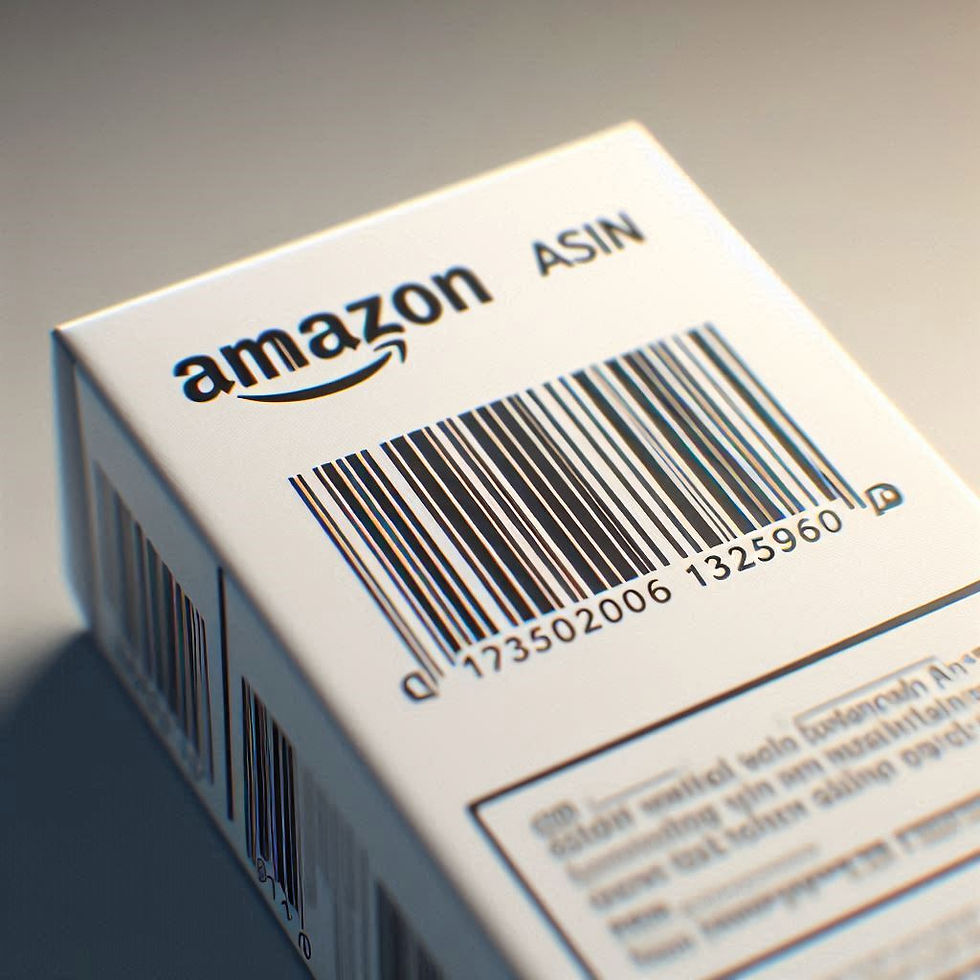
Amazon will require all FBA inventory from sellers not enrolled in Brand Registry to carry an Amazon-issued FNSKU barcode on every individual unit.
This applies even if your products already have valid manufacturer barcodes such as:
In practical terms:
Resellers must apply FNSKU labels to every unit
Manufacturer barcodes alone will no longer be accepted
Any existing barcodes must be covered or removed
Meanwhile:
Brand owners enrolled in Brand Registry can continue using GS1 barcodes without additional labelling

Why Amazon Is Making This Change
To understand the reasoning behind this update, it’s important to look at how Amazon previously handled inventory.
For years, Amazon operated a system known as commingled (or pooled) inventory. Under this model, identical products from multiple sellers were grouped together and treated as interchangeable, based on their shared manufacturer barcode.
While this approach improved efficiency, it also introduced several problems.
1. Counterfeit and Quality Risks
When inventory is pooled, there’s no guarantee that every unit meets the same quality standard. If one seller supplies counterfeit or substandard goods, those items can be shipped to customers under another seller’s listing.
This creates:
Brand damage
Customer dissatisfaction
Increased returns and complaints
2. Lack of Accountability
With commingled inventory, it becomes difficult to:
Attribute defects to a specific seller
Track return patterns accurately
Identify performance issues at seller level
3. Catalogue Confusion
Multiple sellers using different barcode sources (especially non-GS1 codes) can create:
Duplicate listings
Incorrect product merges
Inconsistent product data
The Shift to Unit-Level Traceability
By enforcing FNSKU labelling for resellers, Amazon is moving toward unit-level traceability.
This means:
Every unit is tied to a specific seller
Inventory is no longer interchangeable across sellers
Accountability is significantly improved
Think of it like this:
GTIN (UPC/EAN) = identifies what the product is
FNSKU = identifies who owns that specific unit within Amazon’s system
Both identifiers still exist—but now they serve different roles.

What This Means for Resellers
If you are not part of Brand Registry, this change will directly impact your operations.
New Requirements

From 31 March 2026, you must:
Apply an FNSKU label to every unit
Ensure all other barcodes are fully covered
Update your prep and packing processes
Ensure labels are scannable and correctly positioned
Operational Impact
This isn’t just “adding a sticker.” It affects multiple parts of your workflow:
1. Increased Labour
Every unit now requires manual or automated labelling, adding time and cost.
2. Supply Chain Adjustments
You may need to:
Arrange labelling at the factory
Use a prep centre
Handle labelling in-house
3. Margin Pressure
Additional costs include:
Label printing
Labour or prep services
Potential delays in fulfilment
4. Logistics Complexity
If you rely on:
Dropshipping
Wholesale sourcing
Fast-moving inventory
You’ll need tighter coordination to ensure compliance before goods reach Amazon.
What Happens If You Don’t Comply?
Amazon has made it clear that non-compliance will have consequences.
If your inventory arrives without proper FNSKU labelling:
It will be marked as defective
Amazon may attempt to relabel it (at your cost)
You may face delays in stock becoming available
Affected inventory may not be eligible for reimbursement
In short: non-compliance risks both your inventory and your profitability.
What About Existing Inventory?
Good news there’s no immediate disruption to stock already in the system.
Inventory currently stored in fulfilment centres will continue to sell as normal
Shipments already in transit before the deadline are unaffected
However:
All new inventory created after 31 March 2026 must comply

What This Means for Brand Owners
For brand owners enrolled in Brand Registry, this update is largely positive.
Key Advantages
Continue using GS1 barcodes without additional labelling
Avoid extra prep costs
Maintain streamlined operations
Gain stronger control over listings
Strategic Benefits
This change creates a natural barrier for resellers:
Reduces catalogue clutter
Limits listing manipulation
Improves product data consistency
Adds protection against counterfeit activity
It also reinforces the value of:
Owning your brand
Registering with Amazon
Maintaining GS1-compliant identifiers
The Role of GS1 Barcodes
Despite the changes, GS1 barcodes remain essential.
They are still required for:
Product identification
Marketplace listings
Retail distribution
Compliance and customs
Amazon isn’t replacing GS1 standards it’s layering its own system on top for internal control.
Preparing for the Transition
With the deadline approaching, sellers should act early to avoid disruption.
1. Audit Your Catalogue
Identify:
Which SKUs you sell via FBA
Whether those products fall under Brand Registry
Which listings will require FNSKU labelling
2. Review Seller Central Settings
Ensure your barcode preferences align with the new requirements before creating shipments.
3. Update Your Supply Chain
Consider where labelling will happen:
At manufacturer level
At a prep centre
In-house before shipping
Each option has different cost and timing implications.
4. Factor in Costs
Account for:
Labour or prep fees
Materials (labels, printers)
Increased handling time
5. Reassess Your Strategy
Some sellers may choose to:
Move toward private label
Partner directly with brands
Enter Brand Registry themselves

Common Labelling Mistakes to Avoid
Amazon’s systems rely heavily on barcode accuracy, so errors can quickly lead to rejected shipments.
Watch out for:
Missing labels
Incorrect FNSKU applied
Smudged or unreadable barcodes
Labels placed on curved or reflective surfaces
Original barcodes not fully covered
Even small issues can cause delays or compliance flags.
A Subtle but Significant Shift in the Marketplace
While many sellers will view this as an operational inconvenience, it reflects something bigger.
Amazon is:
Tightening control over its catalogue
Reducing reliance on shared inventory systems
Prioritising traceability and accountability
For brands, this is a welcome move.For resellers, it introduces friction—but also forces better discipline.

How Blue30 Can Support Your Transition
With the added complexity of FNSKU labelling, many sellers are looking for ways to streamline their operations without sacrificing efficiency.
This is where working with an experienced prep and logistics partner can make a meaningful difference.
Blue30 offers a comprehensive range of services designed to help Amazon sellers stay compliant while keeping their supply chain running smoothly.
Key Areas of Support
1. FNSKU LabellingEnsuring every unit is correctly labelled before reaching Amazon, reducing the risk of rejection or delays.
2. End-to-End LogisticsFrom supplier collection through to storage and final delivery into fulfilment centres, helping simplify international supply chains.
3. Compliance ExpertiseStaying aligned with Amazon’s evolving requirements so you don’t have to constantly adjust processes yourself.
4. Scalable OperationsWhether you’re handling small volumes or large-scale shipments, having a flexible solution helps manage growth without operational bottlenecks.
Why This Matters Now
As the 31 March 2026 deadline approaches, demand for reliable prep services is likely to increase.
Planning ahead allows you to:
Avoid last-minute disruption
Maintain stock availability
Protect margins
Rather than viewing this change as a burden, it can be an opportunity to build a more resilient and scalable fulfilment process.
Final Thoughts
Amazon’s FNSKU labelling requirement marks the end of an era for commingled inventory and a clear move toward tighter control within its ecosystem.
For resellers, it introduces additional steps, costs, and considerationsbut also encourages better operational standards.
For brand owners, it strengthens catalogue integrity and offers a competitive edge.
Ultimately, the sellers who adapt early and build efficient, compliant workflows will be best positioned to succeed in this next phase of Amazon’s marketplace.
With the right preparation and the right partners this transition doesn’t have to be disruptive. Instead, it can be a step toward a more controlled, transparent, and sustainable way of selling on Amazon.
Key Date to Remember:31 March 2026 — FNSKU labelling becomes mandatory for all non-Brand Registered FBA sellers
Now is the time to review, adapt, and get ahead of the change.



Comments